Delays caused by approval processes of Building Safety Regulator “unacceptable”, say peers
- Details
A House of Lords Committee has described the delays caused by the Building Safety Regulator’s approval processes as “unacceptable,” noting that they have stretched “far beyond” statutory timelines.
Writing in a report published on Thursday (11 December), peers also said there is an "urgent need" for the regulator to improve how it operates its framework.
The new regulator has responsibility for approving the construction of new high-rise buildings and of any changes to existing high-rise buildings, under the Building Safety Act 2022.
It is also responsible for certifying that all residential high-rise buildings are safe, and regulating building inspectors and building control bodies that work on medium and low-rise buildings to ensure their competence.
The cross-party committee's report – which took in evidence from a range of witnesses – stated that, despite being a welcome step towards increased safety, there is "an urgent need for the BSR to improve on how it operates its new framework".
Peers said they heard "consistent" complaints that the BSR could take more than nine months to make decisions on whether construction projects should be allowed to go ahead, significantly longer than the statutory target of 12 weeks for these decisions.
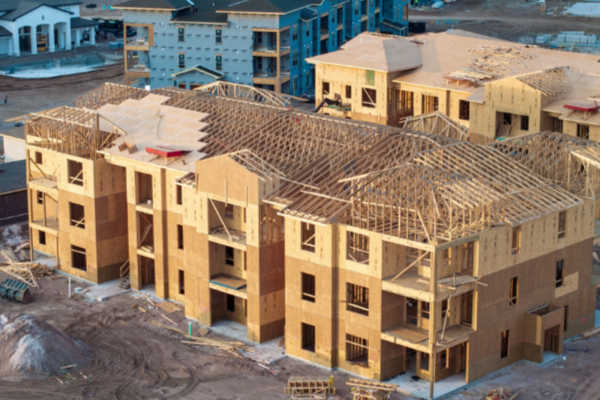
This had disincentivised or delayed refurbishments, safety upgrades and the remediation of dangerous cladding in high-rise buildings, according to the report.
The delays have also impacted the delivery of new housing in high-rise buildings, damaging the Government's efforts to build 1.5 million homes by the end of this Parliament, the report added.
Elsewhere, peers said that difficulties in local authority funding and the introduction of regulations have left an ageing workforce of building inspectors who are struggling to meet demand.
Despite these skills shortages, smaller works such as bathroom renovations in high-rise buildings are being subject to the scrutiny of the BSR's hard-pressed multidisciplinary teams (MDTs).
In addition, the report criticised the BSR for not giving clear enough guidance on how applicants are supposed to demonstrate that their buildings are safe.
The report also found that many applications are being rejected or delayed due to basic errors and applicants' inability to evidence how they are considering elements of fire and structural safety, which reflects poorly on the construction industry.
Commenting on future plans for the regulator, the committee said it supported the Government's intention to remove the BSR from the Health and Safety Executive and set it up as a new, separate organisation.
However, it said that there are concerns that organisational changes "could distract from the immediate imperative of improving the BSR's operational performance", and suggested that further change should wait until performance improves.
Peers meanwhile noted that the Government and the BSR have recognised the urgency of rectifying the performance that has been delivered so far.
On this, it said: "It would have been worrying had this not been the case, and the job is far from complete, but a start has been made.
"Close attention from both the Government and the BSR will be needed, and swift additional action is necessary, with our recommendations setting out several areas for further improvement.
"Without this, there is little chance that the Government will meet its targets to build new homes and remediate dangerous cladding. Failure on either count will leave people in unsafe living conditions unnecessarily."
The Health and Safety Regulator, which manages the BSR, has been approached for comment.
Adam Carey
Must read

Sponsored articles

Walker Morris supports Tower Hamlets Council in first known Remediation Contribution Order application issued by local authority
Jobs





















Litigation Lawyer

Paralegal

Lawyer

Lawyer (Planning and Regulatory)

Locums
Directory